

Sourcing a custom injection mold from China is one of the fastest ways to cut product costs. Tooling is typically 40–60% cheaper than in the US or Europe, and the supply chain — steel, machining, polishing, molding — is fully integrated under one roof. But those savings only materialize if you work with a real, competent manufacturer.
The hard part isn’t finding a supplier. Search “China injection mold” and you’ll get thousands of results. The hard part is telling a genuine mold factory from a trading company, a broker, or a shop that will cut corners and hand you a mold that can’t hold tolerance.
Here are the seven red flags that separate a reliable injection mold supplier from the rest — and what to check instead.
Red Flag 1: A complex part is quoted within minutes
A real factory with in-house engineers will review your 3D file and ask DFM (design for manufacturability) questions first — about draft angles, wall thickness, gate location, undercuts. A trading company just forwards your file to a third party and relays whatever price comes back, often in minutes.
What to do: send a real RFQ with a STEP file. If the reply comes back instantly with no engineering questions, treat it as a warning sign.
Red Flag 2: They can’t explain steel grade or cavity count
Ask “what mold steel do you recommend for 200,000 shots, and why?” A genuine toolmaker will talk about P20 vs H13 vs S136, hardness, and how cavity count affects part price. A broker will say “we use high-quality steel” and change the subject.
What to do: ask for a material certificate and hardness report. Reputable factories provide mill test reports for the steel.
Red Flag 3: All the photos look like stock images
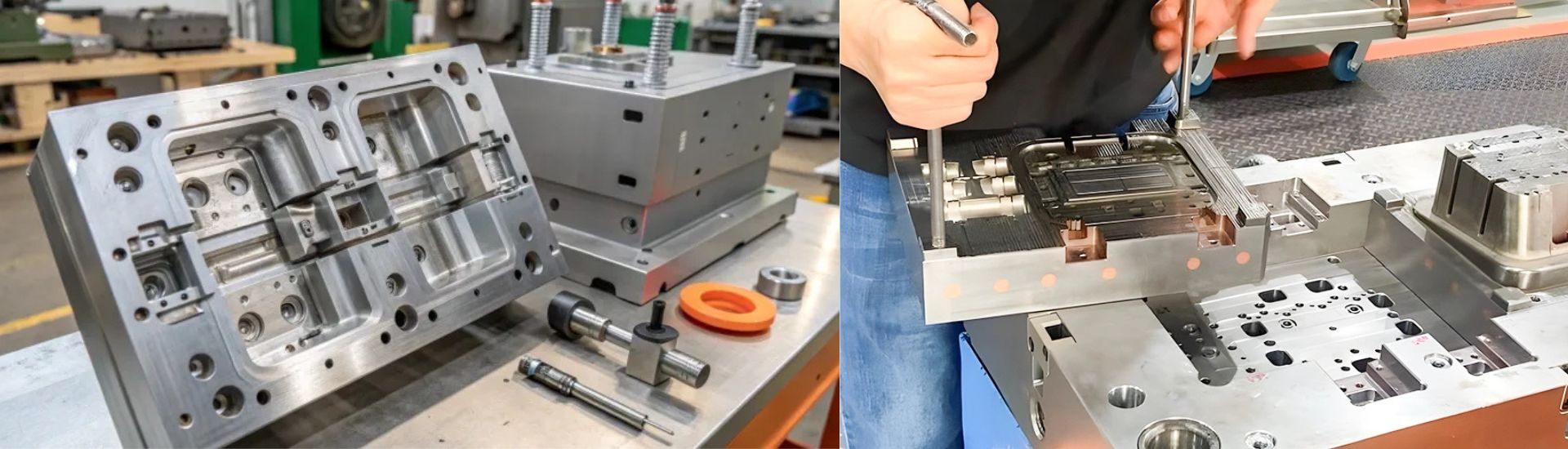
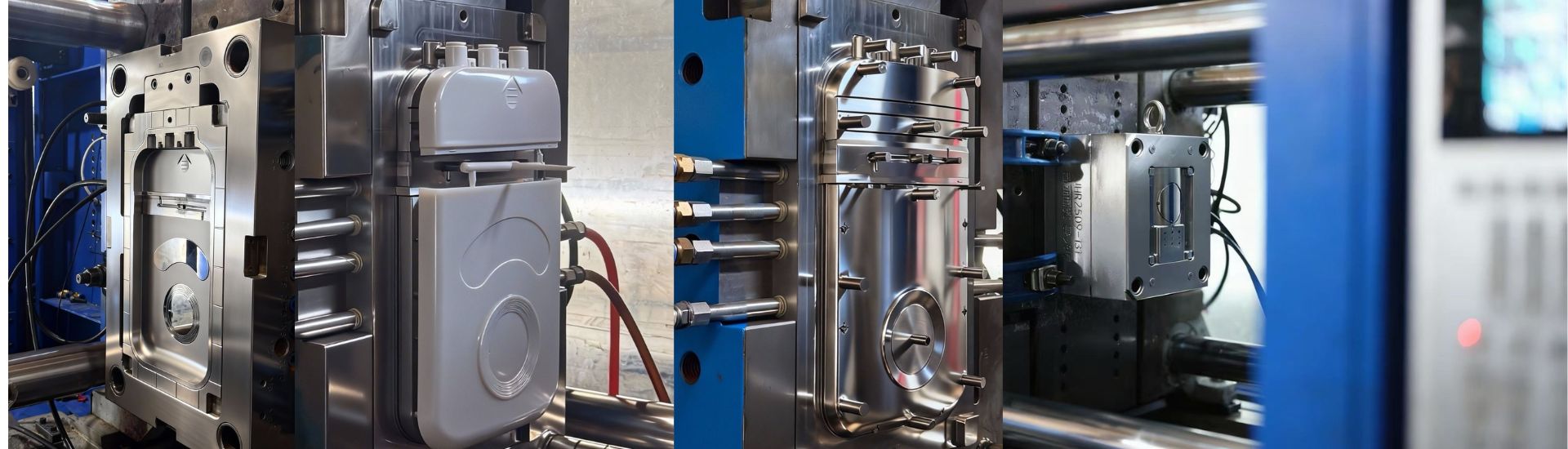
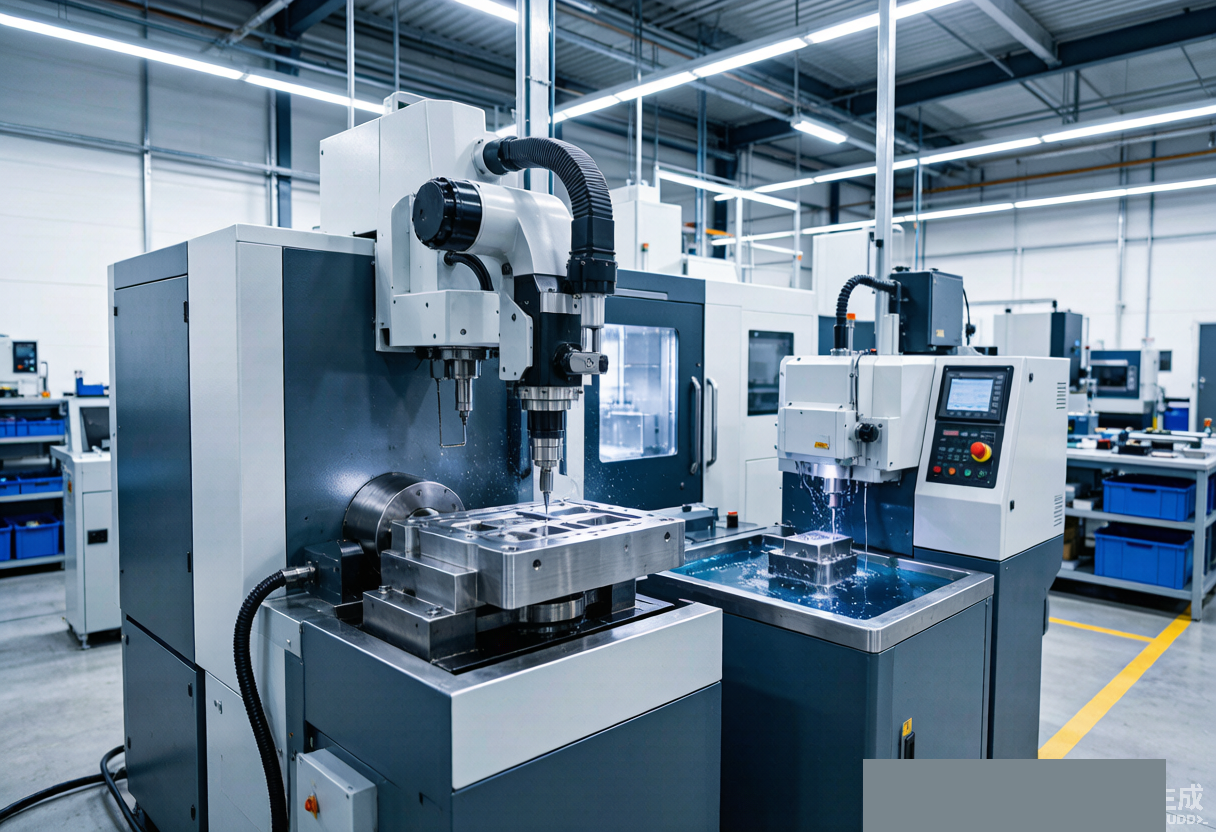
If a supplier’s website shows the same glossy factory photos you’ve seen on ten other sites, they may be a shell company or reseller. Real factories show real equipment — their own CNC, EDM, and injection machines — plus actual parts they’ve produced.
What to do: look for project examples relevant to your part type. A gallery of only simple household products doesn’t prove experience with precision or technical components.
Red Flag 4: The address is an office tower, not an industrial zone
A genuine mold factory sits in an industrial area — for injection molding, typically the Yangtze River Delta (Shanghai / Suzhou / Ningbo) or the Pearl River Delta (Shenzhen / Dongguan). An office in a central business district suggests a trading operation.
What to do: check the registered address, and ask for a live video tour of the shop floor.
Red Flag 5: They’re reluctant to do a live video factory tour
Any legitimate factory will happily walk you through their facility on a video call. If they hesitate, dodge, or offer only pre-recorded footage, there’s likely nothing real to show you.
What to do: insist on a live tour and ask to see the mold shop specifically — not just the injection molding floor.
Red Flag 6: Certification numbers can’t be produced
Claims like “ISO 9001 certified” mean nothing if they can’t produce the certificate number and you can’t verify it. Borrowed or expired certifications are common.
What to do: ask for the certificate number and verify it independently before committing.
Red Flag 7: The price is dramatically lower with no explanation
A mold that quotes 40% below every other supplier isn’t a bargain — it usually signals corner-cutting on steel grade, standard components, or quality control. Or it’s a teaser price that gets re-quoted upward after tooling starts.
What to do: ask what steel, what components, and what’s included. If the answer is vague, walk away.
How to verify a supplier (the positive checklist)
Beyond avoiding red flags, a reliable supplier should be able to show you:
- An in-house DFM report before quoting — not just a price
- A clear mold specification: steel grade, cavity count, runner type, expected mold life
- A staged process: DFM review → mold design approval → T1 samples → first article inspection → pre-shipment audit
- References from past overseas clients with projects similar to yours
- An English-speaking engineering contact, not just a sales rep
The bottom line
The best mold supplier isn’t the cheapest — it’s the one whose engineering depth, quality systems, and communication match your part’s requirements. A supplier that asks detailed questions, explains its DFM methodology, and documents every milestone will deliver consistent parts over the life of the program.
At D-top Mould, we provide in-house DFM review, mold flow analysis, and full dimensional reports with every project. Send your 3D model and we’ll return a detailed quotation — with the DFM feedback to prove we actually looked at your part — within 12 hours.