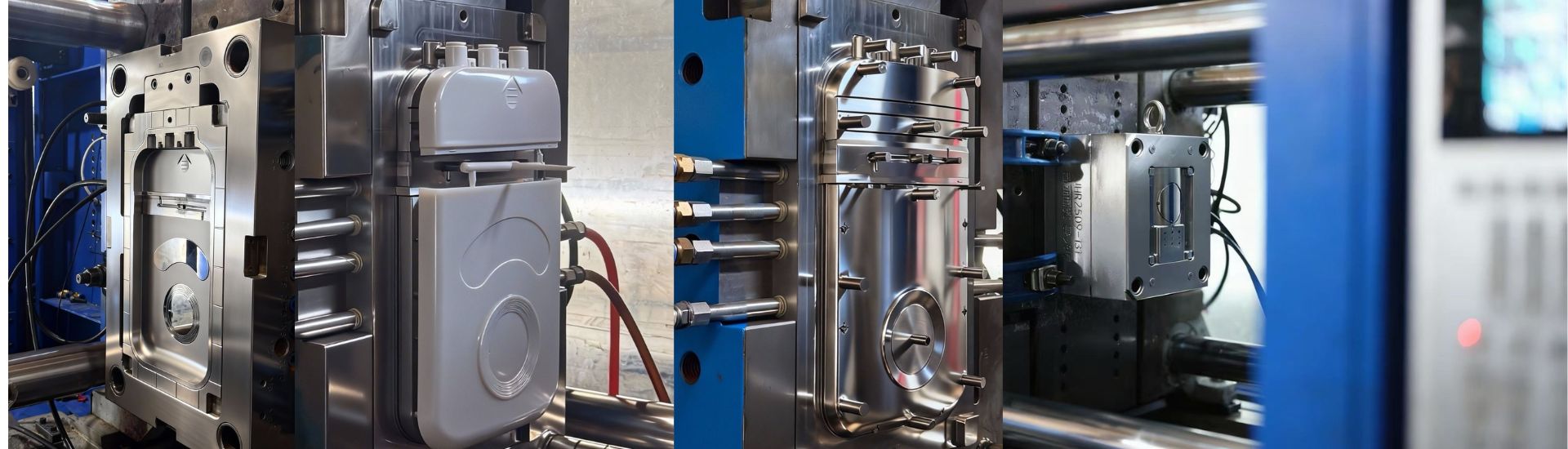


Why Can Injection Mold Prices Differ by Two Times?
When sourcing an injection mold, it’s common to receive quotations that vary significantly—sometimes by as much as two times or more. This is not due to arbitrary pricing, but rather a reflection of differences in injection mold design, mold materials, and manufacturing processes.
In some cases, incomplete or unclear product information can also lead to discrepancies in quotations, especially when key technical requirements are missing.
1. Injection Mold Design: The Core Cost Driver
Injection mold design is often the most important factor influencing mold cost.
For the same plastic part, different mold design solutions can result in price differences ranging from 30% to 200%. Factors such as wall thickness, gate location, parting line design, and cosmetic requirements all directly affect complexity and cost.
A well-optimized plastic injection mold design may cost more upfront, but it offers long-term benefits:
- Improved product quality
- Reduced defect rates
- Higher production efficiency
From a long-term perspective, investing in better design helps reduce overall manufacturing costs.
2. Mold Steel Selection: Balancing Cost and Lifespan
The choice of mold steel is another major factor in determining injection mold price.
Common materials like P20, 718, and S136 mold steel differ significantly in:
- Hardness and wear resistance
- Corrosion resistance
- Expected mold lifespan
Lower-cost steels are suitable for short production runs but wear out faster. High-quality steels provide longer service life and better performance, making them ideal for high-volume injection molding.
Ultimately, mold material selection directly impacts durability, precision, and total cost of ownership.
3. Machining Process and Precision Requirements
The injection mold manufacturing process also plays a crucial role in pricing.
Cost differences arise from:
- 3-axis vs. 5-axis CNC machining
- EDM (Electrical Discharge Machining) complexity
- Surface finishing (mirror polishing, high-gloss surfaces, textures)
- Tight tolerance and inspection requirements
High-precision molds require advanced equipment, skilled labor, and strict quality control, all of which increase manufacturing costs.
Conclusion: Injection Mold Cost Reflects Value
The difference in injection mold cost ultimately reflects different levels of value:
- Low-cost injection molds:
Standard materials, simple structures, lower precision, suitable for short-term or low-volume production - High-quality injection molds:
Premium materials, optimized design, high precision, long lifespan, and reliable after-sales support
These are ideal for mass production, high-precision plastic parts, and long-term manufacturing stability.
How to Choose the Right Injection Mold Supplier
When selecting an injection mold supplier, don’t focus only on price. Instead, consider:
- Production volume
- Product quality requirements
- Expected mold life
- Technical support and service
Choosing the right partner ensures better control of your total injection molding cost, not just the initial tooling price.