

A low mold quote from China can be entirely genuine — or it can be the opening move in a longer negotiation where the real cost surfaces later, line by line, after you have already committed. The difference is rarely the base price. It is what is, and is not, included in that number.
For buyers who are new to Chinese mold sourcing, the experience usually follows a familiar arc: the quote looks unbeatable, the samples arrive on time, and then the invoices begin to drift. A mold trial fee here, a steel upgrade there, a revised shipping quote at the last minute. None of it is fraud. Most of it is simply the result of a specification that was never pinned down in the first place.
In this guide we break down the nine places hidden costs typically hide when you source an injection mold from China, and how to close every one of them before you sign a purchase order. The goal is not the cheapest quote. It is a quote you can actually hold the supplier to.
Why Two Quotes for the “Same” Mold Can Differ by 100%
Two suppliers can quote the same part and land $4,000 apart. The part drawing is identical, so the difference has to live somewhere else. Most often it lives in what is not printed on the page:
- Mold steel grade and hardness
- Number of cavities
- Hot runner versus cold runner
- Ejector, slider, and insert brands
- Number of trial shots and revisions included
- Whether the price is EXW, FOB, or DDP
A cheap quote is not dishonest by itself. It is simply a mold built to a lower specification. The problem appears when you do not know which specification you are actually buying.
Hidden Cost #1 — Steel Substitution
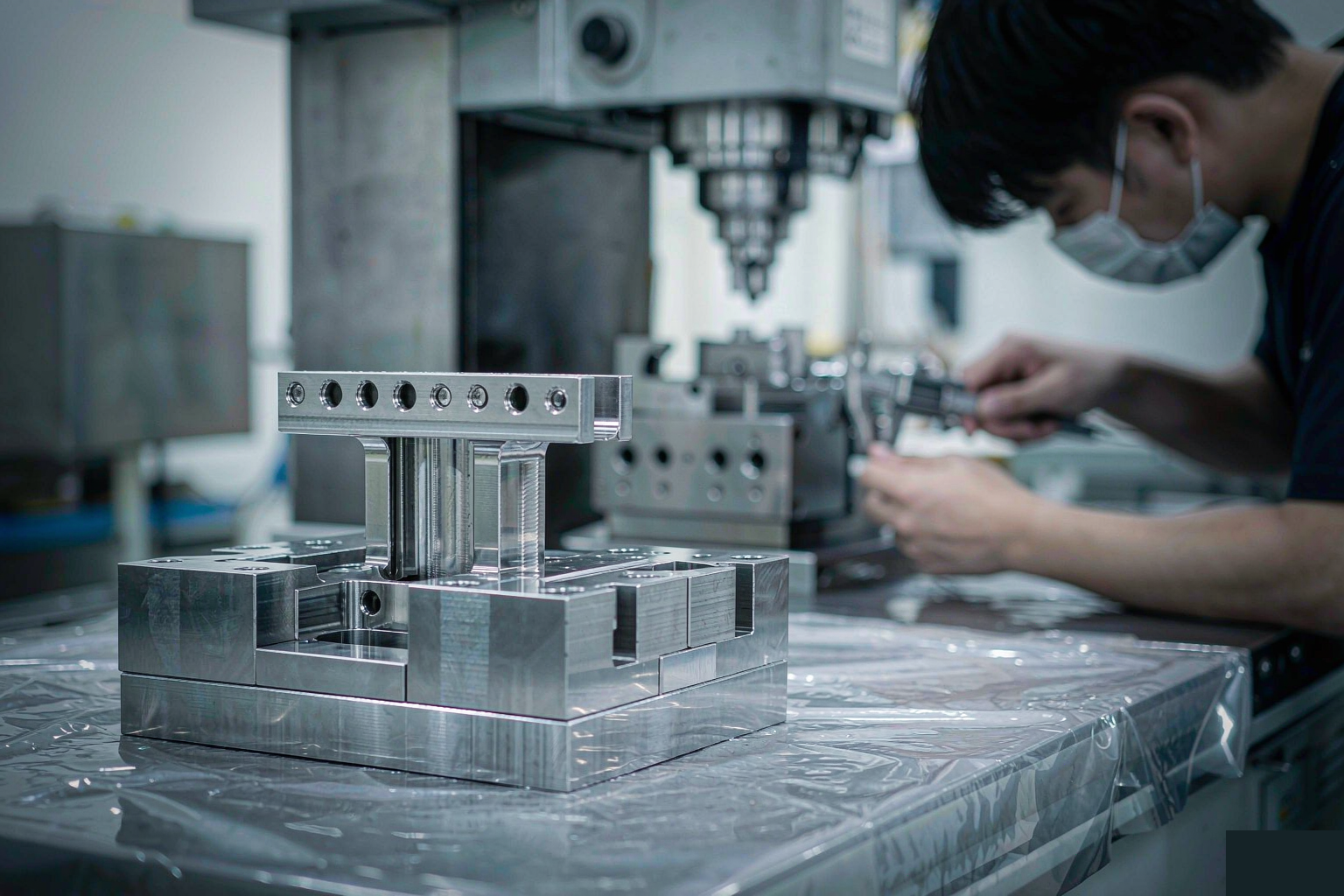
The single largest cost driver in any mold is the steel. P20 costs roughly a third of hardened S136 or H13. A supplier quoting P20 when your part needs H13 for 500,000+ shots of glass-filled nylon is not saving you money — they are selling you a mold that will erode, flash, and shut production down early.
Always require the steel grade in writing, plate by plate (core, cavity, slider, insert). Ask for the mill certificate — reputable suppliers will provide it without hesitation, and the request itself tells a supplier you know what you are buying. A mold that costs 30% more up front but lasts three times as long is, over the life of the program, the cheaper mold. The steel decision is where a good supplier adds the most value, because they will push back when your part actually does not need premium steel, rather than silently charging you for it.
Hidden Cost #2 — Component Downgrades
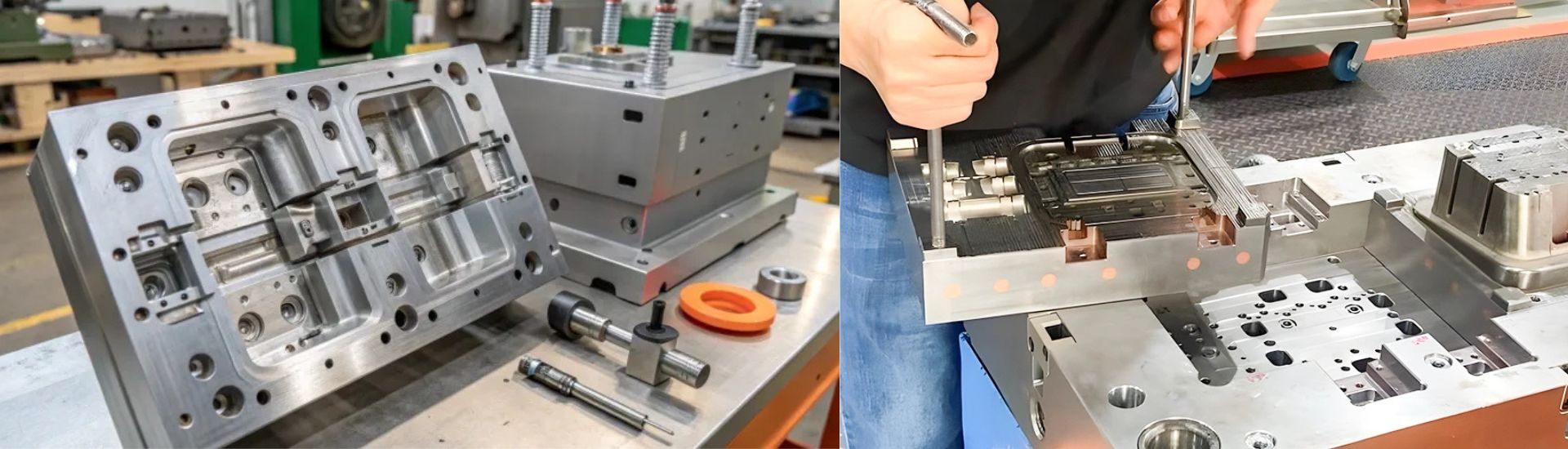
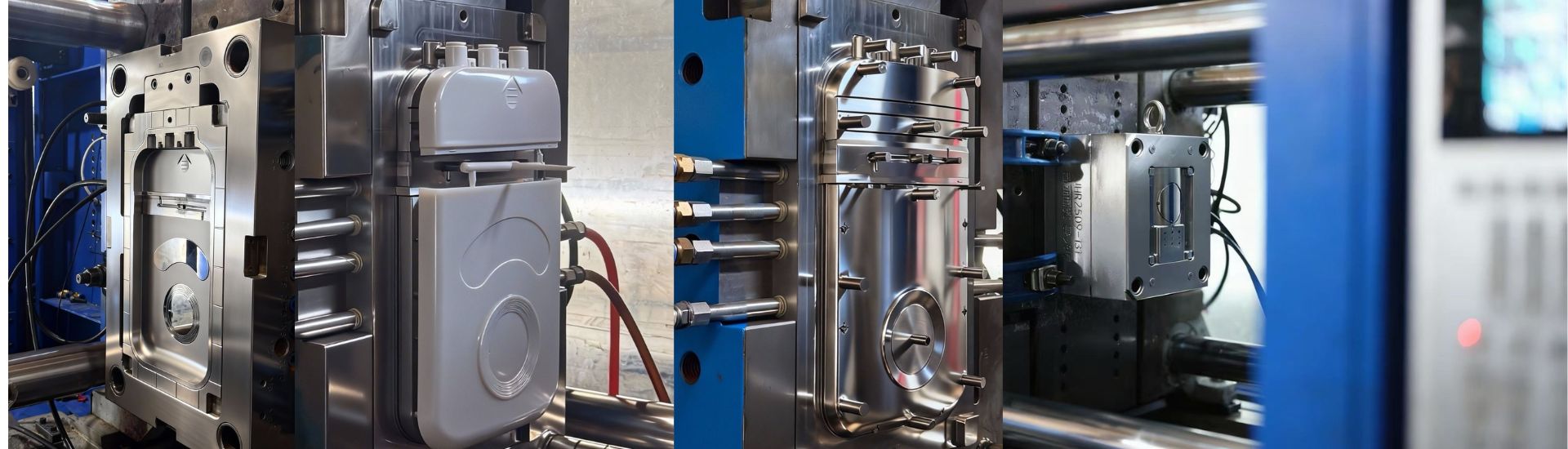
A mold is not a single block of steel. It is an assembly of ejector pins, springs, guide bushings, sliders, and possibly a hot runner system — and every one of those parts has a cheap version and a premium version:
- Standard versus hardened ejector pins and sleeves
- Domestic versus Mold-Masters, Yudo, or HRS hot runner
- Generic coil springs versus nitrogen gas springs
These components are invisible from the outside of a finished mold and remarkably easy to substitute. Specify the brand and grade of the main components in the RFQ, and photograph them during the trial run so the specification is verifiable. A written line-item breakdown of the mold — sometimes called a BOM — is the single most effective tool you have against component downgrades, because it forces every hidden decision into the open before money changes hands.
Hidden Cost #3 — Cavitation and Tool Life
Some quotes are cheap because the supplier builds a single-cavity tool where the production volume clearly needs two or four. The mold is cheaper; your piece price is not. On a volume part, the extra cavity pays for itself in a matter of weeks.
In the same way, a mold quoted without a tool-life guarantee may be built to the minimum. Ask for the expected shot life in writing, along with the warranty period and what it covers.
Hidden Cost #4 — Trial Runs, Samples, and Mold Trials
The first test shot (T0) and the first sample run (T1) cost real money: material, machine time, and labor. Some suppliers quote the mold alone and charge for trials separately. Others bundle a limited number of trials and bill for every additional revision.
Clarify how many trial runs and sample revisions are included before you place the order, and what each additional trial costs. This is one of the most common sources of an invoice that does not match the quote.
Hidden Cost #5 — Engineering Change Fees
Changes are normal. A part rarely goes from STEP file to production without at least one round of adjustments. The real question is how those changes are priced. Some suppliers make their margin on the changes rather than the mold itself.
Confirm the hourly rate or per-change fee for engineering changes (ECNs) up front, and keep the DFM report that shows which changes were foreseeable at the quoting stage. A change that should have been caught in DFM is not your change to pay for.
Hidden Cost #6 — Freight, Duties, and Incoterms
A quote in RMB is not a landed price. Confirm the Incoterm before you compare anything. EXW means you handle export, freight, insurance, and import duty yourself. FOB covers delivery to the port of departure. DDP delivers to your door with duties paid.
For a mold, freight is usually a small percentage of the total, but import duty and customs classification can still surprise you. Ask for a landed estimate in your own currency so you are comparing like with like.
Hidden Cost #7 — Payment Terms and Transfer Fees
Payment terms are a hidden cost in two directions. First, unfavorable terms — 100% upfront — transfer all the risk to you. Second, bank transfer fees and exchange-rate spread quietly add 1–3% to the total.
A 30/50/20 structure — deposit, balance before shipment, retention after trial approval — protects you and keeps the supplier’s incentives aligned with a working mold. Confirm who bears the transfer fees, and in which currency you will pay. On a $20,000 mold, even a 2% combined spread and fee is $400 — money that is better spent on a spare parts kit than on a bank.
Hidden Cost #8 — Documentation and IP Ownership
A mold you cannot document is a mold you cannot audit. Ask what you will receive: 2D drawings, 3D data, steel certificates, trial-shot reports, and a full bill of materials. And confirm your ownership of the mold design in writing — otherwise “your” mold may quietly reappear as a competitor’s.
Hidden Cost #9 — After-Sales Support and Spare Parts
A mold without spare parts is a production line that stops for a $2 ejector pin. Confirm the included spare parts kit and the after-sales service window. A supplier with no service plan will bill you later for what a serious supplier includes as standard.
Equally important is who answers the phone after the mold ships. A supplier that assigns a dedicated English-speaking project manager — rather than routing you through a sales inbox — is far more likely to resolve a production issue on your timeline, and the difference shows up directly in your downtime costs.
How to Get a Transparent, Fixed-Price Quote
Close the gaps before you commit. A few habits turn a risky quote into a fixed one:
- Send a complete RFQ: STEP file, material, surface finish, volume, target cycle time, and expected tool life.
- Require a line-item quote: steel, components, cavities, trials, revisions, freight, and terms.
- Ask for the DFM report before the quote is final.
- Lock the specification in the purchase order, not in an email thread.
- Confirm Incoterm, currency, and payment terms in writing.
Get a Real Quote for Your Project
If you have a STEP file and a target volume, send it over. D-top Mould provides a free DFM review and a 12-hour quote response on working days — built in our Suzhou facility, P20 / H13 / S136 steel, hot runner systems from Mold-Masters and Yudo, and English-speaking project management from RFQ through T1 sample approval. No hidden NRE, no surprise change-order fees.
Upload your 3D model on the Quick Quote page and you will have a real, fixed number — with DFM notes you can act on — by the next business day.