


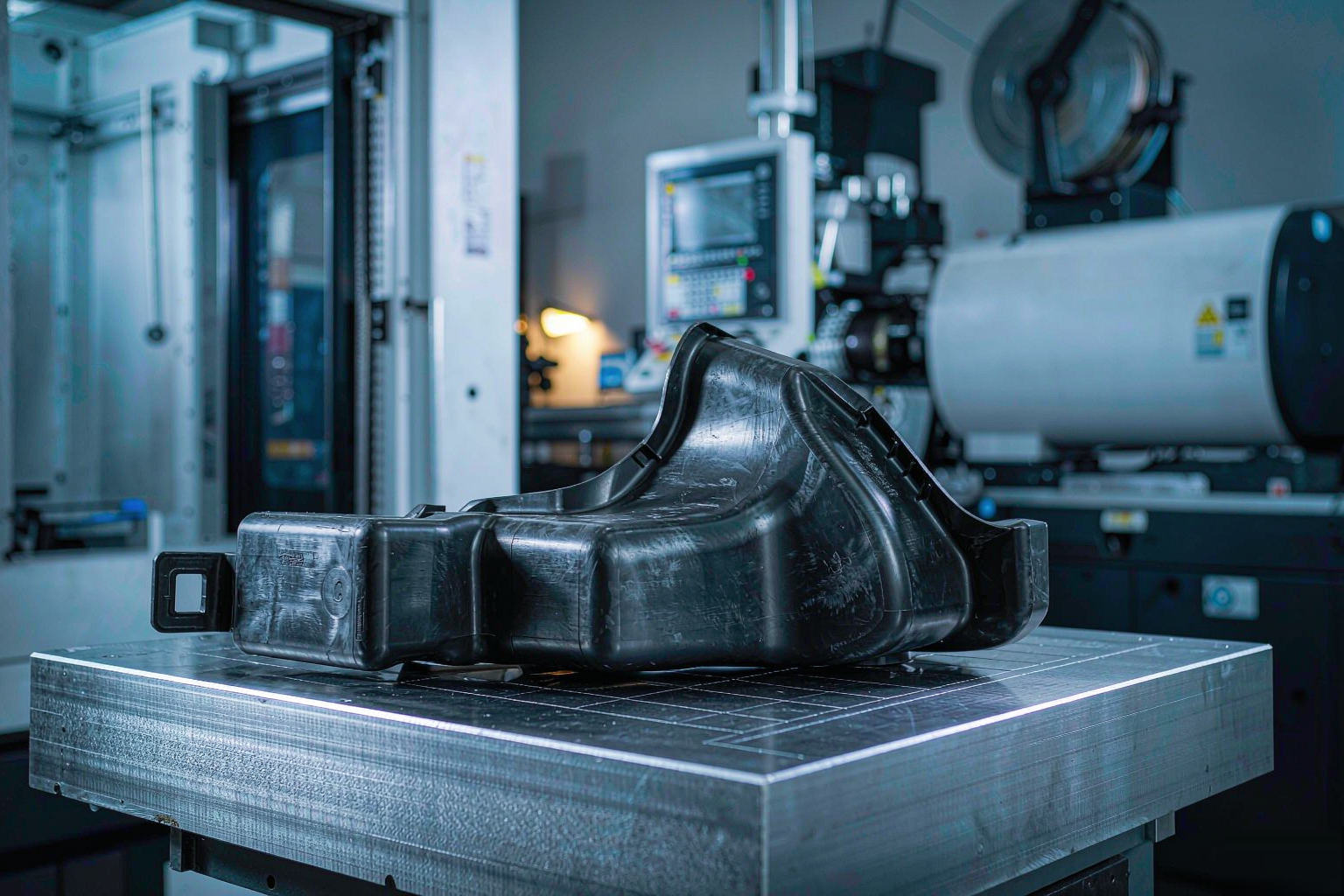
Automotive Injection Molding Services
A modern vehicle carries roughly 300–400 injection molded plastic parts — from dashboard trim and switch bezels to under-hood connectors, sensor housings and fluid system components. Automotive buyers do not just purchase a part; they commit to a program that may run for years, at volumes measured in hundreds of thousands, inside a quality system that audits everything.
D-top Mould manufactures custom injection molds and molded components for automotive applications, supporting interior, exterior and under-hood plastic parts with attention to material performance, dimensional stability and consistent quality. Because we build the tool and run the process under one roof, program feedback is fast: when a fitting dimension or a cosmetics standard needs adjustment, the tool shop responds in days, not weeks.
Automotive Parts We Mold
- Interior trim and dashboard components — A-surface parts where appearance, gap consistency and scratch resistance define perceived quality
- Knobs, switches and control housings — functional parts combining feel, torque and print or texture requirements
- Sensor and electrical housings — precision enclosures protecting electronics against heat, vibration and moisture
- Covers, brackets and clips — under-hood and chassis parts where fatigue strength and dimensional stability matter more than looks
- Custom functional and structural plastic parts — engineered components designed with the molder in the loop from the start
Materials for Automotive Molding
Every position in a car demands a different resin survival kit: heat, UV, oils, impact or creep resistance. We work with automotive-grade engineering plastics and help you match grade to environment:
| Material | Survives | Typical Automotive Use |
|---|---|---|
| PP (plain / talc-filled) | Chemicals, fatigue, cost pressure | Bumpers, trim, battery trays, ducts |
| ABS | Impact, finishing | Interior trim, dashboard substrates |
| PC/ABS | Heat + impact combined | Instrument panels, bezels, consoles |
| PA6 / PA66-GF30 | Continuous heat, stiffness, creep | Under-hood covers, connectors, brackets |
| POM | Fuel, friction, dimensional stability | Seat-belt parts, gears, fuel system components |
| PBT | Electrical stability, heat | Connectors, ignition and sensor components |
Material substitution is a silent program killer, so the resin spec — grade, filler content, MFI range and approvals — is fixed in writing before tooling starts. For a full walkthrough of automotive resin selection, tolerances and cost drivers, see our plastic material selection guide.
Tolerances and Dimensional Control
Automotive drawings are typically dimensioned to ISO 20457 or OEM-specific standards. In practice this means commercial tolerances on non-functional dimensions, ±0.05–0.10 mm on functional fits, and appearance criteria — warp, gap-and-flush, flow marks — on visible panels that matter more than any single linear dimension. We agree inspection points and measurement methods during quotation, then hold them with documented process control, so the parts arriving at your line match the parts that passed PPAP-style validation.
Tooling for Automotive Volumes
Automotive cycle counts change the tooling conversation. A mold running one million shots of glass-filled PA66 is built differently from a 50,000-shot prototype tool: hardened H13 or S136 steels, hot runner systems to protect expensive compounds, sequential valve gates on A-surfaces, and cooling layouts engineered against warpage before the first steel chip is cut. We match steel and mold architecture to your real program volume — our mold steel selection guide explains the trade-offs in detail — and every tool is trial-validated before shipment.
Quality and Process Control
Automotive customers audit the system, not just the sample. Our process covers DFM review before tooling, mold flow analysis where needed, documented molding parameters, first article inspection with full dimensional reports, in-process sampling and lot-level material traceability with cavity identification. Error-proofing on safety-relevant characteristics is built into both mold and process, and documentation expectations are agreed during quotation — so the validation package your customer asks for is the package we planned to deliver.
Why Choose D-top Mould for Automotive Molding
- In-house tooling — design, steel, fitting and trials under one roof, with stable T1 results
- 12-hour quotation — engineered quotes returned within 12 hours, including DFM flags on tolerance and material risks
- Fast mold modifications — engineering changes and fitting corrections handled quickly because the tool shop is ours
- Flexible scheduling — prototype, pilot and production phases accommodated without long queues
- Responsive after-sales support — mold maintenance and capacity support across the whole program life
Get an Automotive Molding Quote in 12 Hours
Send your 2D or 3D drawings, material requirements, expected annual volume, tolerances and any specific testing or documentation needs. Our engineering team will return a free DFM review and a detailed quotation within 12 hours — flagging tolerance, material and tooling risks before they cost you a program milestone. Bring the molder in early; that is where automotive programs are won.